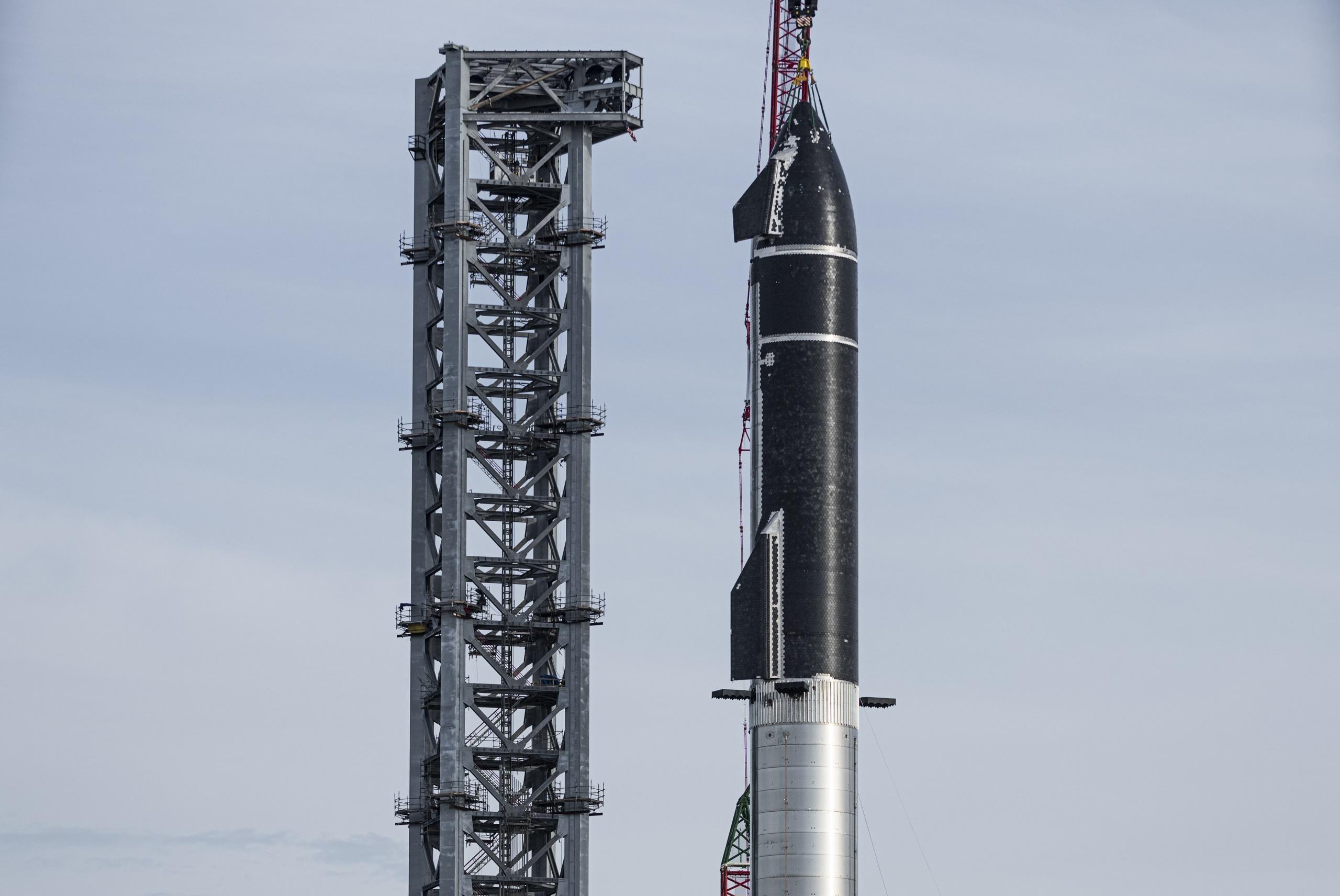
SpaceX Starship Flight 15: Historic Double Rocket Recovery Could Transform the Future of Space Travel
SpaceX is preparing for one of its most ambitious rocket tests yet. The upcoming Starship Flight 15 mission, targeted for November 13, 2026, could mark a major milestone in reusable rocket technology by attempting to recover both stages of its massive launch vehicle.
The mission will take place at SpaceX’s Starbase facility in South Texas. If successful, it could demonstrate a new level of rocket reusability, potentially changing how future space missions are launched and operated.
Unlike previous Starship tests, Flight 15 is designed to bring both the Super Heavy booster and the Starship spacecraft back to the launch site for recovery using SpaceX’s mechanical launch tower system.
When Is SpaceX Starship Flight 15 Launching?
SpaceX is targeting Friday, November 13, 2026, for the next Starship test flight. The planned launch window is scheduled to open at 4:45 p.m. Central Time (CT) at Starbase, Texas, with a duration of approximately 75 minutes.
The mission remains subject to final operational and regulatory requirements, meaning the launch date could still change.
According to the published mission timeline, the Super Heavy booster is expected to return to the launch tower approximately six and a half minutes after liftoff. The Starship upper stage is expected to complete a much longer flight before attempting its own return to the launch site.
The First Attempt to Catch Both Rocket Stages
One of the most important objectives of Flight 15 is the planned recovery of the complete Starship launch system.
SpaceX has already demonstrated its ability to catch returning Super Heavy boosters using the giant mechanical arms attached to its launch tower, commonly known as Mechazilla’s chopsticks.
However, catching the Starship spacecraft itself presents a different engineering challenge. The upper stage must survive atmospheric reentry, control its descent, perform a landing maneuver, and position itself accurately for capture by the tower.
If both recovery attempts succeed, SpaceX could achieve the first full recovery of an orbital-class launch system through this approach.
The technology is designed to reduce the need for traditional landing platforms and simplify the process of preparing rockets for future missions.
Why Reusable Rockets Matter for the Future of Space Exploration
Rocket launches have historically been expensive because many launch vehicles are discarded after a single mission. Reusable rocket systems aim to change this model by allowing major vehicle components to return, undergo inspection, and fly again.
SpaceX believes that Starship could eventually support a wide range of missions, including satellite deployment, commercial space transportation, lunar exploration, and future human missions to Mars.
The ability to recover and reuse both rocket stages could significantly improve launch frequency and reduce operational costs over time.
However, achieving reliable and rapid reuse will require more than a successful landing. SpaceX must also demonstrate that recovered vehicles can be inspected, refurbished, and prepared for another flight safely and efficiently.
Starship Flight 15 Also Targets Starlink V3 Satellite Deployment
Beyond its recovery objectives, Flight 15 is expected to carry 26 Starlink V3 satellites into orbit.
These next-generation satellites are part of SpaceX’s broader effort to expand its global internet infrastructure. Their deployment could support the company’s long-term plans to improve satellite broadband capacity and network performance.
The mission is expected to last approximately 22.5 hours if it follows the full planned flight profile, making it considerably longer than many previous Starship test flights.
This extended mission will allow SpaceX to evaluate additional flight operations while gathering important data about the spacecraft’s performance in orbit and during its return to Earth.
What Could This Mean for the Global Space Industry?
The development of fully reusable orbital launch systems could have significant consequences for the commercial space industry.
Lower launch costs and more frequent flights could create new opportunities for satellite operators, scientific research organizations, telecommunications companies, and future commercial space services.
It could also strengthen SpaceX’s position in an increasingly competitive space economy, where reusable launch technology is becoming an important strategic advantage.
Nevertheless, Starship remains an experimental launch system. Its long-term commercial potential will depend on continued testing, engineering improvements, safety validation, and the ability to achieve consistent operational performance.
The Next Step Toward a New Era of Spaceflight
Starship Flight 15 represents more than another rocket launch. It is an important test of whether an entire orbital launch system can be recovered and potentially reused through an integrated launch tower.
If SpaceX achieves its objectives, the mission could bring reusable rocket technology closer to a new operational standard.
For now, the global space industry will be watching closely as SpaceX prepares for a flight that could influence the future of satellite deployment, commercial space transportation, and human exploration beyond Earth.