
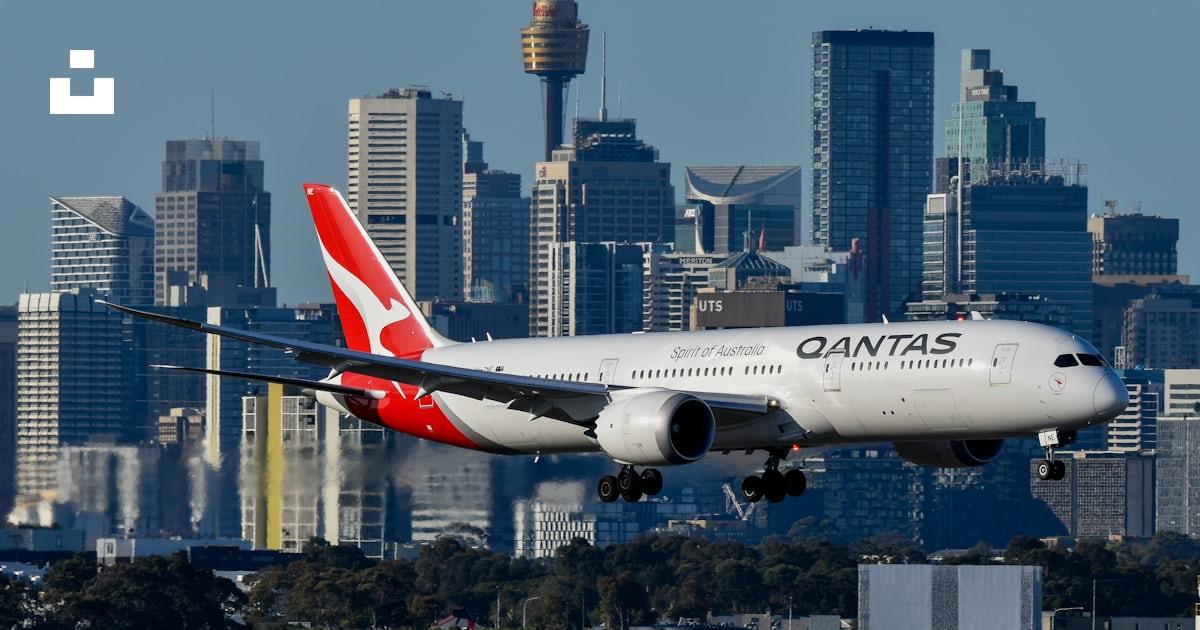
Qantas Warns of Higher Airfares in Australia as Rising Fuel Costs Force Flight Cuts
Australian travellers could face higher airfares in 2027 as Qantas prepares to adjust ticket prices and reduce flight capacity in response to rising aviation fuel costs. The airline says international and domestic travel demand remains strong, but growing operating expenses are putting additional pressure on its business.
Qantas Airways, Australia’s largest airline, announced its latest market update on November 6, 2026, revealing that its fuel expenses are expected to increase significantly during the first half of the 2026–27 financial year.
The airline now expects its fuel bill to reach approximately A$3.75 billion for the six months ending December 31, 2026. This represents an additional A$150 million compared with its previous forecast of A$3.6 billion.
The increase comes amid continued disruption in global energy markets linked to the ongoing conflict in the Middle East, which has pushed aviation fuel prices higher.
Qantas May Increase Ticket Prices as Fuel Expenses Rise
Higher fuel prices are becoming a major challenge for airlines worldwide, and Qantas is no exception.
Fuel is one of the largest operating expenses for commercial airlines. When jet fuel prices increase, carriers often face difficult decisions about whether to absorb the additional costs or pass some of the financial burden on to passengers.
Qantas has indicated that it will continue adjusting airfares to manage the impact of rising fuel expenses.
For Australian travellers, this could mean more expensive domestic and international flights, particularly on routes where operating costs are increasing.
However, fare changes may vary depending on destinations, travel periods, and market conditions. This means passengers should not assume that every Qantas ticket will increase by the same amount.
Qantas Plans to Reduce Flight Capacity in 2027
Alongside potential airfare increases, Qantas is also preparing to adjust its flight schedules.
According to the airline’s November market update, the Qantas Group expects domestic flight capacity across Qantas and Jetstar to decrease by approximately 4% in 2027 compared with the previous year.
The adjustment is part of a broader strategy to manage operating expenses while maintaining profitability in a challenging aviation market.
Reducing available seats can help airlines align their operations with higher costs. However, fewer flights could also mean passengers have fewer travel options on certain routes.
Travellers planning domestic trips across Australia may want to book earlier, particularly during school holidays and other busy travel periods.
International Travel Demand Remains Strong
Despite rising fuel expenses, Qantas says demand for air travel remains resilient.
International bookings continue to perform strongly, partly because some passengers are choosing alternative travel routes instead of flying through parts of the Middle East affected by ongoing disruptions.
Domestic leisure travel in Australia is also maintaining strong demand, while corporate and government travel activity remains relatively stable.
This suggests that Australians and international visitors continue to prioritise travel despite increasing transportation costs.
For Qantas, maintaining strong passenger demand will be important as the airline balances higher expenses with its long-term growth plans.
Qantas Uses Fuel Hedging to Manage Rising Oil Prices
To reduce exposure to unpredictable energy markets, Qantas has expanded its fuel hedging strategy.
The company says approximately 85% of its fuel requirements for the 2026–27 financial year are covered through hedging arrangements, predominantly linked to Brent crude oil.
Fuel hedging allows airlines to manage the risk of sudden price increases by securing or limiting the cost of future fuel purchases.
Although this strategy provides some financial protection, it does not completely eliminate the impact of rising fuel prices.
Qantas has acknowledged that it remains exposed to fluctuations in global energy markets and will continue monitoring conditions throughout the financial year.
What Higher Qantas Airfares Mean for Australian Travellers
The latest announcement could have implications for Australians planning holidays, business trips, and international travel in 2027.
Passengers may need to reconsider their travel budgets as airlines respond to increasing operating expenses.
Some practical steps travellers can consider include:
- Booking flights earlier when travel dates are confirmed.
- Comparing fares across different airlines before purchasing tickets.
- Checking alternative departure dates to find more competitive prices.
- Monitoring airline announcements for schedule changes.
- Reviewing flight conditions and cancellation policies before booking.
While Qantas has not announced a uniform price increase across every route, its latest update indicates that higher fuel costs will continue influencing airfare and capacity decisions.
Qantas Faces a Challenging Outlook for 2027
Qantas enters the remainder of 2026 with strong travel demand but increasing pressure from fuel expenses and global economic uncertainty.
The airline’s latest forecast highlights how international geopolitical developments can affect Australia’s aviation industry and ultimately influence the cost of air travel.
For passengers, the biggest concern will be whether higher operating costs translate into more expensive tickets and fewer available flights in the coming months.
With fuel prices expected to remain elevated throughout the 2026–27 financial year, Qantas will likely continue adjusting its operations to protect its financial performance.
Australian travellers planning to fly in 2027 should keep an eye on airfare movements and airline schedule announcements before making their travel arrangements.